
Ep. 490 Remembering the Economic Contributions of Rothbard and Garrison

Adam Haman returns to discuss with Bob the legacy to economics left by Murray Rothbard and Roger Garrison, in light of the 100th anniversary of Rothbard’s birth and the recent passing of Garrison. Mentioned in the Episode and Other Links of Interest: The YouTube version of this conversation. Rothbard’s Man, Economy, and State and Bob’s Study…
Ep. 440 Ian Deters Studies Free Banking with a Computer Simulation
Mathematician Ian Deters returns to the podcast to summarize the results of his computer simulations of a simple model of “free banking,” as guided by Bob’s instructions. His report has some good news and bad news for Bob. Mentioned in the Episode and Other Links of Interest: The YouTube version of this conversation. This episode’s sponsor, ExPatMoneySummit.com.…
Ep. 247 How to Explain a Free-Market Society to an American Christian

Prompted by his advice to a young student entering a debate competition, Bob describes the way he would explain a Rothbardian free-market society to a skeptical conservative American Christian. Mentioned in the Episode and Other Links of Interest: Bob’s essays on private law and military defense in his pamphlet Chaos Theory. Bob’s journal article on…
Ep. 89 David Gordon on His Interactions with Hayek and Rothbard, the Philosophy of Economics, and Libertarianism as an Alleged Suicide Pact
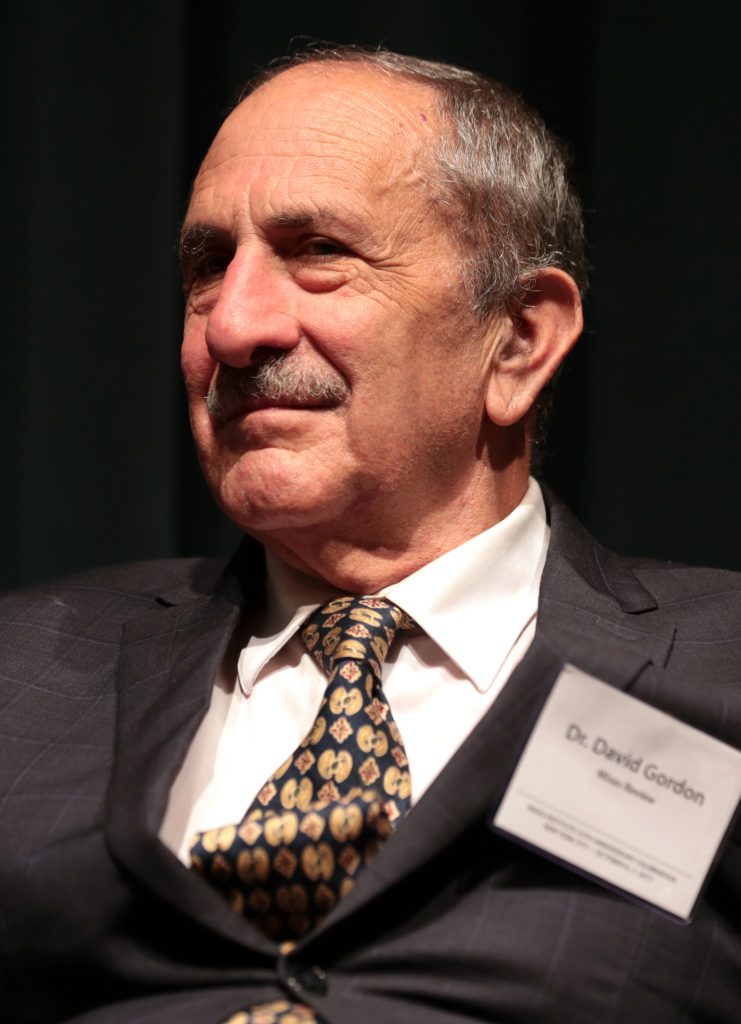
David Gordon is a Senior Fellow with the Mises Institute who has a long history in Austrian economics and libertarianism. He talks with Bob about his personal story, including taking an undergrad class at UCLA with Hayek as his professor. Then they turn to philosophical issues in economics, and end with an analysis of the…
Ep. 48 Bob Explains the Highlights of His New QJAE Article on Fractional Reserve Banking

Bob goes solo to explain some of the most important points in his new QJAE article on the fractional reserve banking debate. Bob shows why Mises thought *any* issuance of fiduciary media caused the boom-bust cycle, and he points out a major flaw in George Selgin’s defense of fractional reserve banking. Mentioned in the Episode…